Benefits
Heat, cold, and the space between
Saunas and ice baths are old practices with a growing body of modern evidence behind them. Here is what a regular ritual actually does, and how to build one at home.
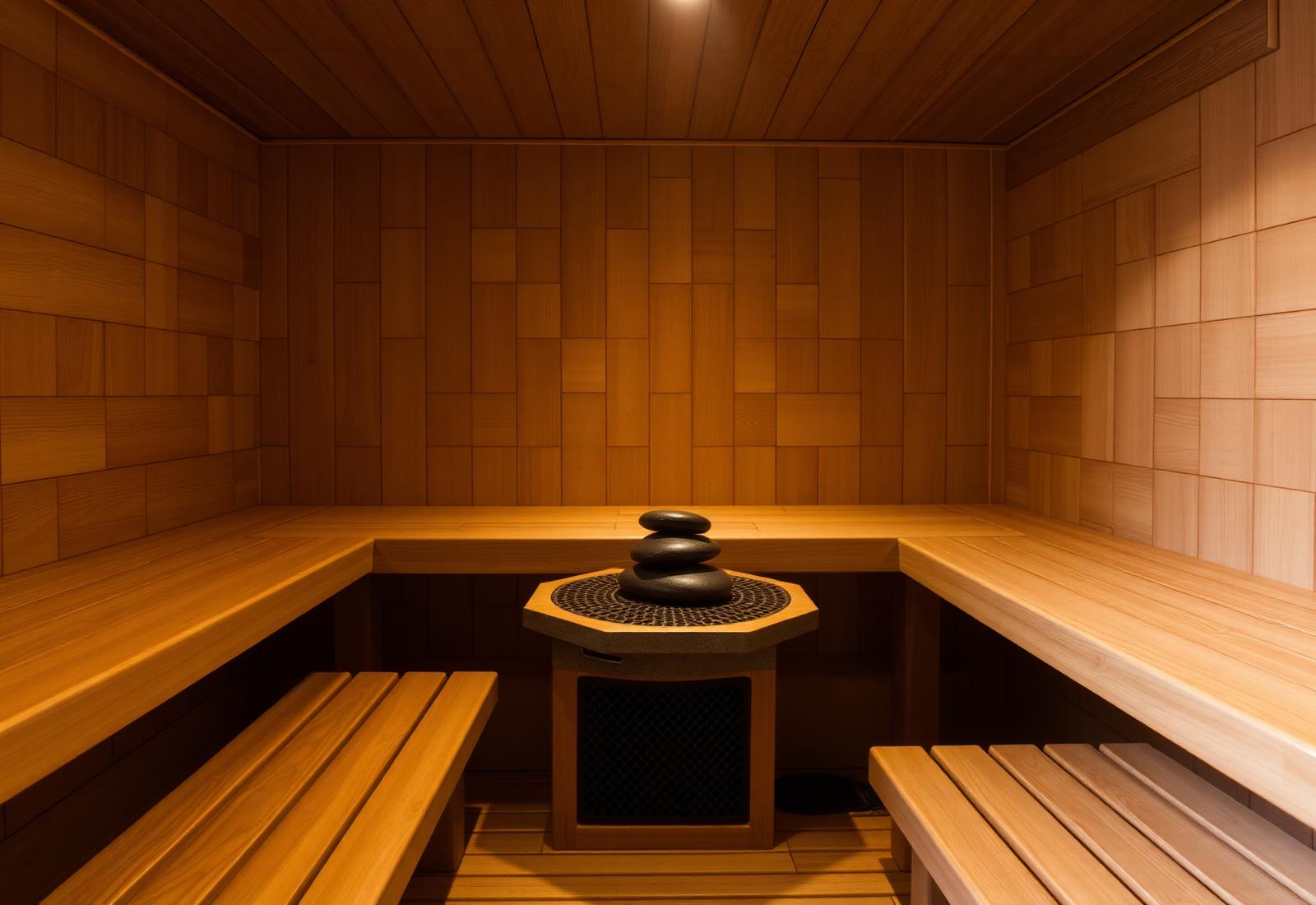
Why sauna
Circulation and heart health
Heat widens blood vessels and raises heart rate to a level comparable with gentle exercise. Regular bathers are consistently associated with better cardiovascular markers.
Muscle recovery
Increased blood flow carries oxygen to tired muscles and helps clear metabolic waste, easing stiffness after training or a long day on your feet.
Deeper sleep
The gradual cool-down after a session mimics the body's natural drop in core temperature before sleep, which many people find makes falling asleep easier.
Stress and clarity
Twenty minutes with no phone, no screen and nothing to do. The heat lowers cortisol and gives the nervous system a genuine reset.
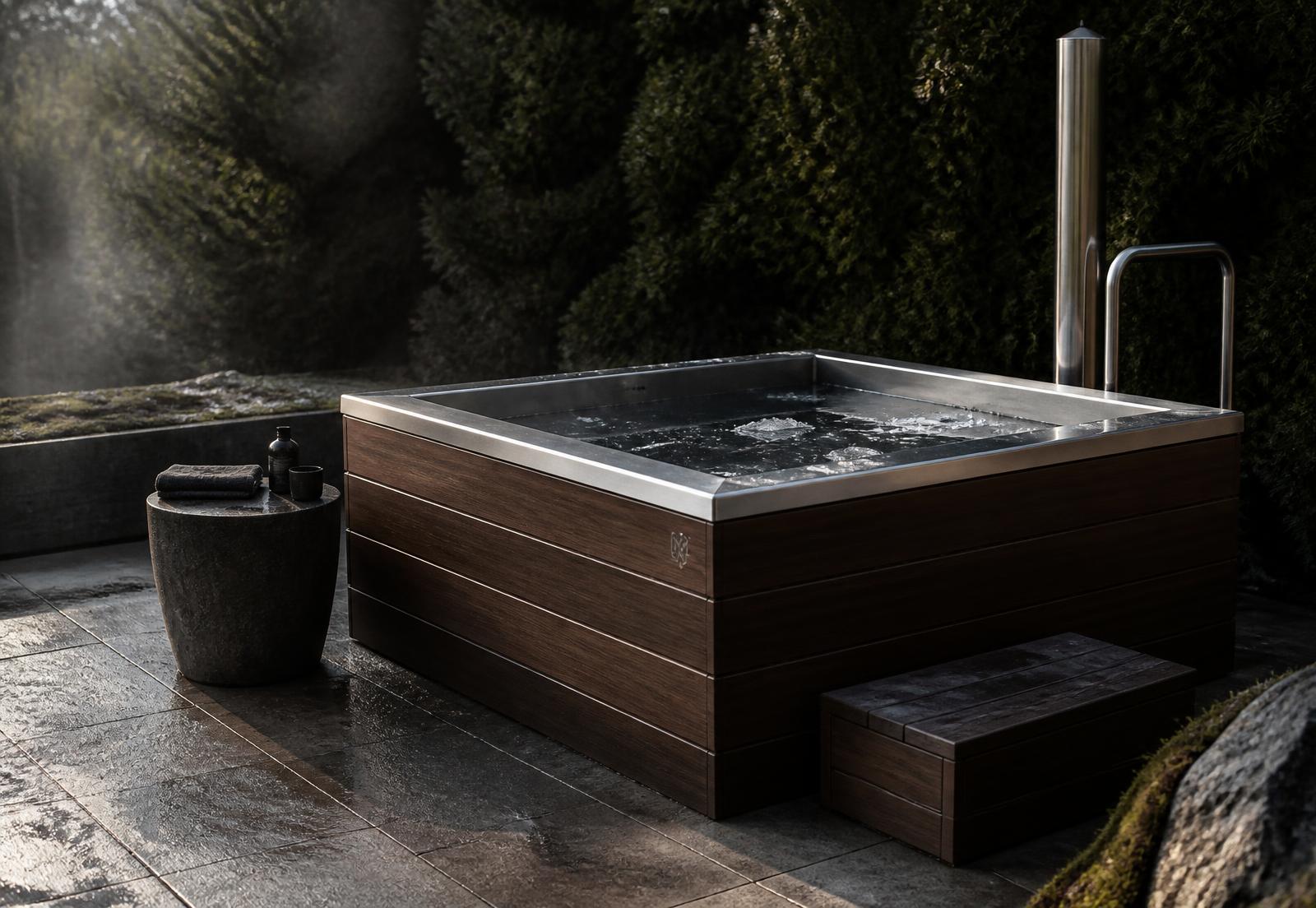
Why cold plunge
Inflammation and soreness
Cold immersion constricts blood vessels and reduces swelling, which is why athletes have used ice baths for recovery for decades.
Resilience and immunity
Short, controlled cold exposure trains the body's stress response. Regular plungers report fewer winter colds and a higher tolerance for discomfort.
Mood and alertness
Cold water triggers a sharp release of noradrenaline and dopamine. The lift in mood and focus is immediate and lasts for hours.
Metabolic activation
Cold recruits brown fat and increases energy expenditure as the body works to restore its core temperature.
The contrast ritual
Hot, then cold, then rest
The two work best together. Alternating between heat and cold pumps blood through the body, sharpens the mind and leaves a calm that neither achieves alone.
01
Heat, 10–15 min
Sit until you are properly warm and breathing slowly.
02
Plunge, 1–3 min
Enter calmly, breathe out long. Get out before you shiver.
03
Rest, 5–10 min
Let the body rewarm on its own. This is where the calm lands.
04
Repeat, 2–3 rounds
Finish on cold for alertness, on heat for sleep.
A note on safety
Build up slowly, keep hydrated, and never plunge alone if you are new to cold water. If you are pregnant, or living with a heart condition, low blood pressure or any cardiovascular illness, speak to your GP before starting a heat or cold routine.
Newsletter
Quiet updates, a few times a year
New models, completed installations and the occasional note on building a garden ritual.